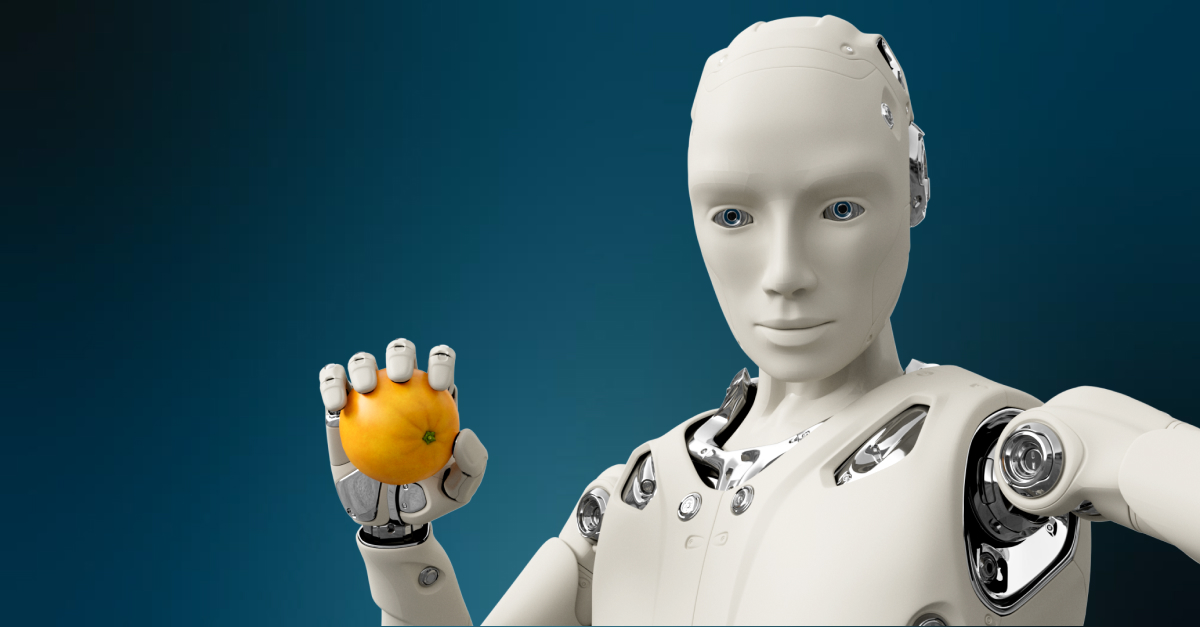
When machines think and move, the real test is what they can sense

A few years ago, “AI” mostly meant software: models that could translate text, recognize images, or answer questions. Today, that definition is expanding fast. Artificial Intelligence is leaving the screen and entering the real world, into homes, factories and health care.
That shift is what many people call ‘physical AI’: intelligent systems that don’t just interpret information, but interact with their environment. But before a robot can act intelligently, it first needs to understand the physical world it’s operating in. That's where sensing technology comes in.
Unlike purely digital AI, physical AI systems perceive their environment through sensors, make decisions based on real-world conditions, and execute actions through motors, actuators, and robotic systems. Intelligence is no longer limited to software. It is becoming embodied in machines that can sense, decide, and act. This is not a one-way process. Each action changes the environment, generating new information that the system must interpret and respond to.
When thinking is not enough
When people talk about physical AI, the conversation often starts with humanoid robots: machines that can walk, reason, and manipulate objects. With rapid advances in AI, it's tempting to believe that once robots can “think”, widespread adoption will naturally follow. But the real challenge lies elsewhere. Intelligence alone is not enough to operate in the physical world.
Imagine asking a service robot to bring you a cup of coffee. Understanding the request or locating the cup is no longer the biggest hurdle. The complexity begins at the moment of interaction: how much force should it apply? Is the cup too hot to hand over safely? Is the surface slippery? These challenges cannot be solved by reasoning alone. They require continuous, real-time information from the physical world, combined with interpretation and controlled action.
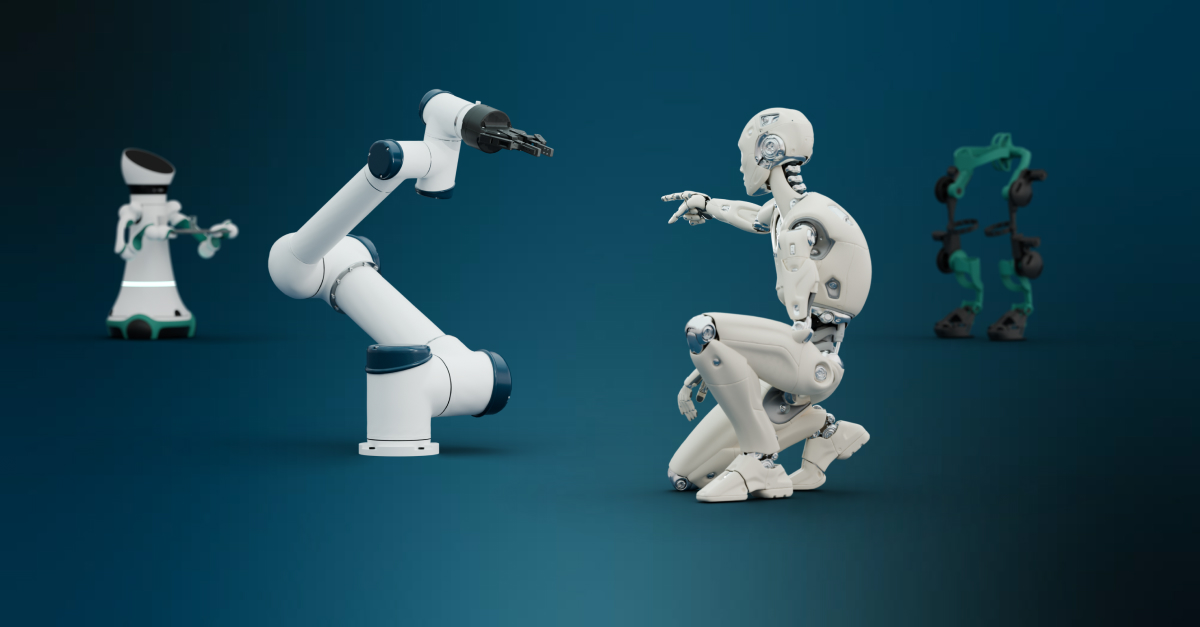
A world that does not stand still
If a service robot spills a cup of coffee because it misjudges its grip, the consequences are immediately visible. But in healthcare or industrial environments, the stakes are even higher.
Take elderly care, where robots may assist people to stand up or move out of bed. These robots require constant adaptation to subtle changes in posture, weight, pressure, and balance to ensure safety and comfort.
In mobility and industrial environments, the margin for error is also small. Whether in vehicles, industrial machines, or robotics platforms, every movement depends on precise awareness of position, motion, and the surrounding environment. Equally important is the ability to recognize uncertainty. When information is incomplete or unreliable, the system must be able to slow down, request assistance or move to a safe state.
Why robots learn differently than language models
Teaching robots is fundamentally different from training large language models. Language models learn from vast collections of existing text; robots need data from physical interaction. That data is slower and more expensive to collect, and mistakes can have real-world consequences. Simulation can accelerate learning, but systems still need to bridge the gap between simulated and real environments. Once deployed, robots must adapt to conditions that change from one interaction to the next, including friction, weight, temperature and human behavior. Humans develop this physical intuition through experience; robots must approximate it by combining sensing, learning and continuous feedback.
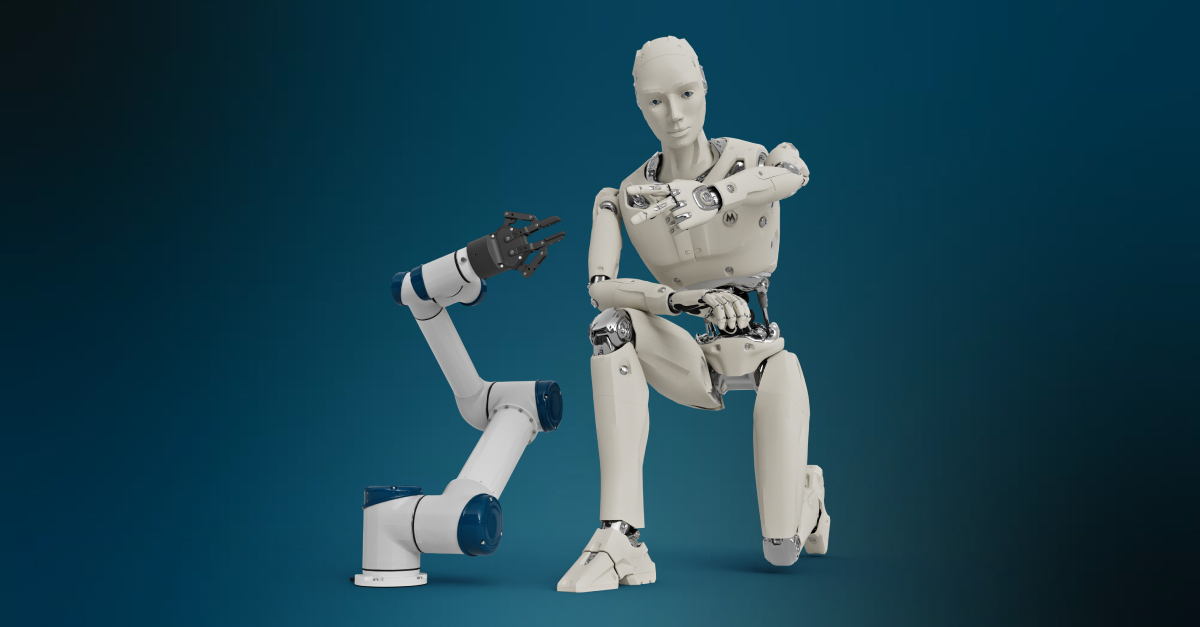
Sense, comprehend, and act
Across all these domains and beyond, physical AI depends on the same foundation: reliable sensing of the real world. This is where Melexis focuses its contribution: enabling machines to better perceive and interpret the physical world through advanced sensing technologies.
One example is Tactaxis®, Melexis' tactile sensing technology that gives robotic grippers a sense of touch. By detecting contact, pressure and interaction, it allows robots to grip objects more securely, detect slip, and interact more safely with people and their surroundings. This opens the door to more capable robots in logistics, healthcare and service applications.
Equally important is understanding motion with precision. Technologies such as Arcminaxis®, developed for high-accuracy position sensing in robotic joints, provide the feedback required for smooth and controlled movement in dynamic environments.
Together, these sensing capabilities help bridge the gap between digital intelligence and physical interaction.
The real breakthrough ahead
Physical AI is often associated with smarter algorithms, but intelligence alone will not make robots ready for everyday life. The real breakthrough will come when machines can interpret the physical world with the same confidence as they process digital information. The future of robotics won't simply belong to machines that think and move. It will belong to machines that sense first, adapt continuously, and act safely.
Physical AI is not defined by how well machines think, but by how accurately they perceive and respond to the world they move through.